


METALWORKING
Production of metal artefacts in the Iron Age
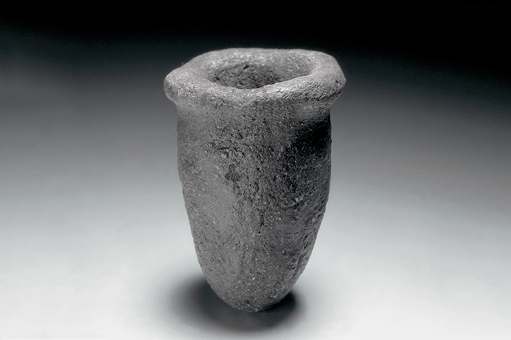
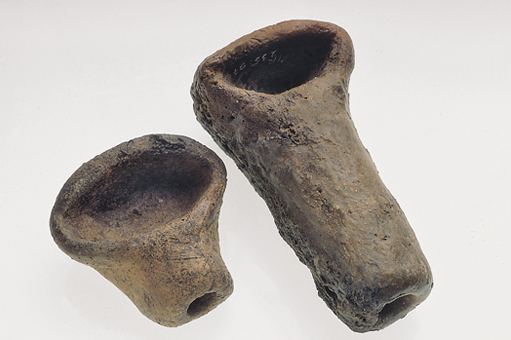
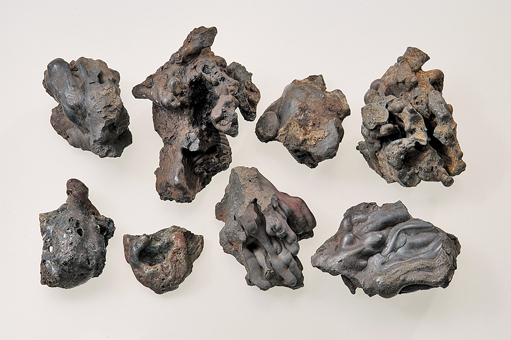
In every larger ancient settlement, archaeologists expect to find meteorite-like lumps of iron—that is, waste from iron smelting. These finds testify not only to the use of iron objects, but also to their production. As soon as people living in Lithuanian territory learned how to smelt and forge metal, they began to look for ways to extract their own iron, so that they would not need to bring it from faraway lands. They had a point—Lithuanian swamps do contain ore, but it was not easy to extract, wash, dry and fire it in special furnaces. Yet, it was the only metal that the Balts learned to refine independently. The rest of their metallurgy relied on contacts with metal traders from the Alps, the provinces of the Roman Empire, and the Caucasus.