


TRADE AND EXCHANGE
Baltic tribes receive goods from other lands

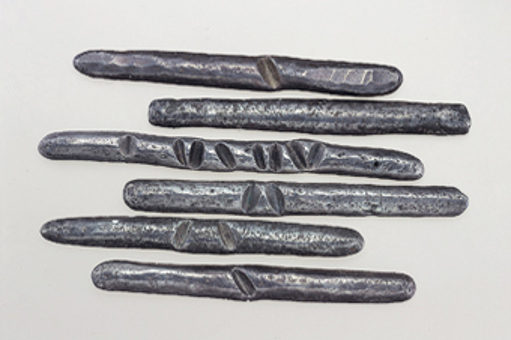
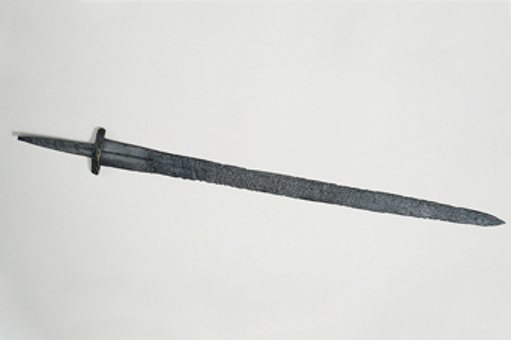
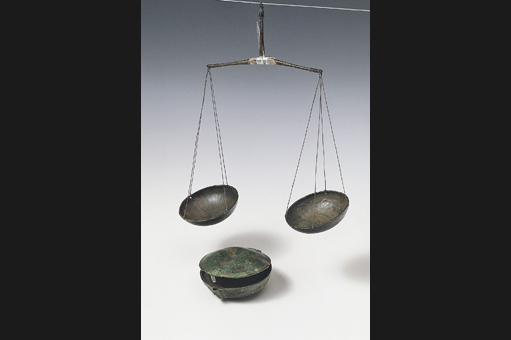
Just like today, in the Iron Age, people who were able to obtain extraordinary goods were held in high esteem. We don’t know how many such traders lived in the Baltic region, but archaeologists are surprised by how many special goods they brought to Lithuanian territory, and how many Baltic products they took elsewhere. Jewellers were keen to receive brass, zinc, tin, lead and silver from the south; the wealthy were eager to get unusual jewellery from Scandinavia, glass beads or weapons from the East; and more and more people had a chance to taste meals with salt, which had travelled for hundreds of kilometres. In their turn, the Balts offered beautiful ermine furs, large pieces of moulded wax, tanned soft hides, and packed other goods that merchants took in various directions to faraway lands. The Balts were involved in such non-monetary exchange during the entire first millennium AD. It was not until just before the formation of the Lithuanian state that its own currency—the so-called Lithuanian long currency—began to be minted.