


AGRICULTURE
The basis of Iron Age economy
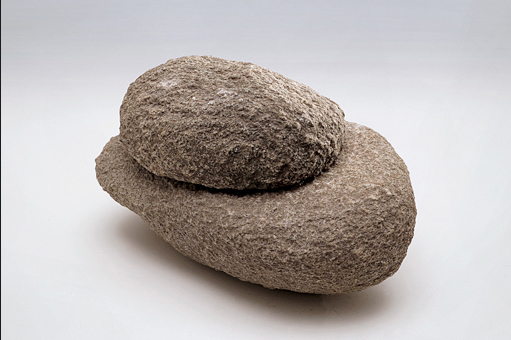
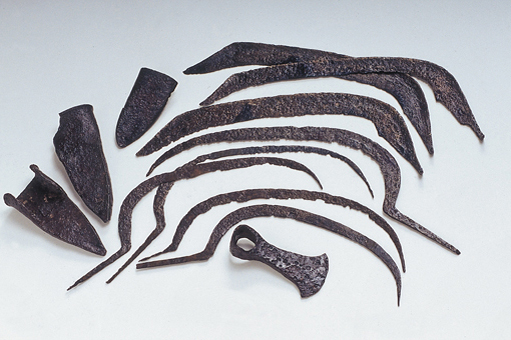
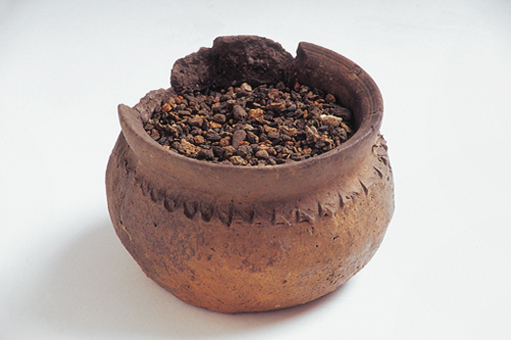
The small, primitively cultivated fields of the Bronze Age marked the dawn of the agricultural era in which we live today. Now that we have moved into the Common Era, we can see that this branch of economics became integrated in the lives of families that lived in the territory of Lithuania, with each settlement reclaiming new fields for sowing wheat or millet. People turned up the soil using wooden ploughs with the help of draught animals. An innovation that appeared only in the Iron Age, approximately one and a half thousand years ago, was shifting cultivation—a system of agriculture in which a plot of land is cultivated temporarily and then abandoned to revert to its natural vegetation. It was not easy either to prepare land for cultivating grain or to process the harvest. Just imagine—before the appearance of rotating millstones, it could take an hour to grind enough flour to bake half a loaf of bread! Back in the fifth century, although the majority of today’s crops were cultivated, buckwheat was not yet grown. A thousand years later, as a result of Columbus’s travels, corn and other exotic plants and vegetables arrived from the other side of the Atlantic.