History for everyone – how to open a museum to people with special needs?
2024 06 27
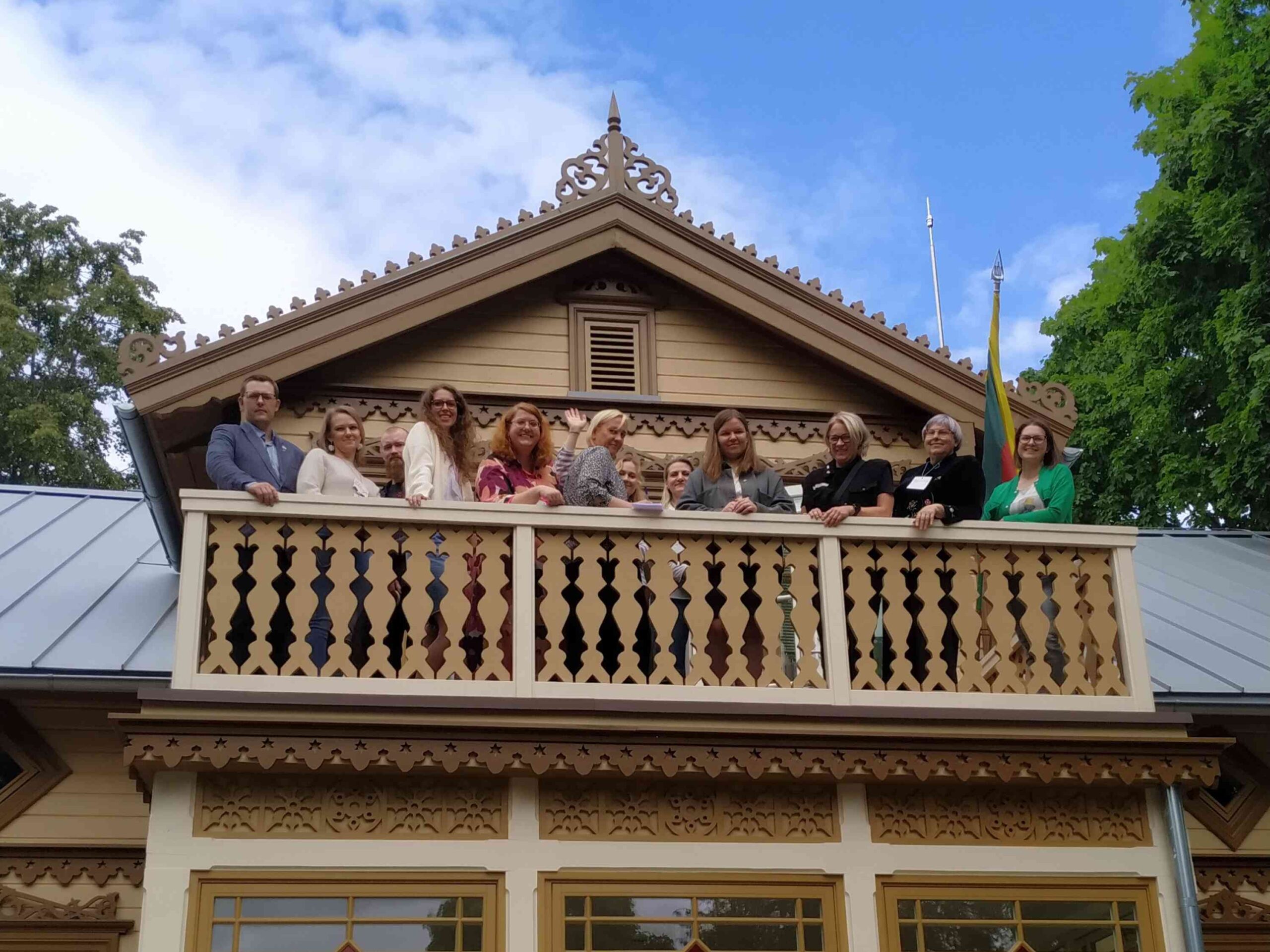
From June 12–15, educators and cultural activities coordinators from various Lithuanian museums participated in a residency at the “Kūrybatorija” residency space, located in the Palanga Mayor Jonas Šliūpas Museum, a branch of the National Museum of Lithuania. The theme of this year’s LNM national residency program was: “History for Everyone: How to Open the Museum to People with Special Needs?” During the intensive creative workshops, educational activities were developed, tested, and reflections recorded.
During these intensive creative residencies, new experiential educational activities adapted for people with special needs were created. The educators were supported by mentors during the workshops: educator, creative practitioner, and drama therapy practitioner Vida Narveišytė, and Rima Povilionytė, an educator at the Vytautas Kasiulis Museum (a branch of the Lithuanian National Museum of Art) and project leader of “Savas muziejus”. Social workers from the Palanga City Social Services Center, Gražina Diemintienė and Eglė Reinikytė, social partners of the Jonas Šliūpas Museum, introduced the residency participants to the medical and social aspects of working with people with special needs, providing consultations and advice for creating educational tasks.
In the “Kūrybatorija” residency space at the LNM Jonas Šliūpas Museum, the educational activities created during the workshops, aimed at people with special needs, were tested and reflections recorded. Pupils from the Palanga City Social Services Center with physical and intellectual disabilities were invited to participate in the newly developed educational activities. The impressions of educators and participants, positive emotions, and new friendships highlighted the importance of understanding the target audience, being open to challenges, and successfully creating new museum experiences.
Residency participants also shared experiences and professional challenges encountered when adapting museum accessibility for people with special needs. Discussions focused on the specifics of conducting educational sessions, the roles and responsibilities of educators, conflict situations, and ways to resolve them. The intensive creative residency demonstrated the importance of colleagues’ gatherings, meetings with specialists, and social partnerships in successfully co-creating museum experiences accessible to people with special needs.
2024 “Kūrybatorija” residents:
Viktorija Spulginienė (Šiauliai “Aušra” Museum)
Gintautas Urbietis (Šiauliai “Aušra” Museum)
Kamilė Eselinaitė (Šiauliai “Aušra” Museum)
Rūta Medinienė (Lithuanian Museum of Education)
Marius Baniulis (Vilnius University Museum)
Živilė Girdžiutė (Šilutė Hugo Šojaus Museum)
Skaistė Rupšlaukytė (Master’s student in Art Therapy, LMTA)
Agnė Poškienė (Vilnius University Museum)
Janina Bucevičė (Samogitian Museum “Alka”)
Residency program coordinator: Algina Vainilavičienė